
Success Stories
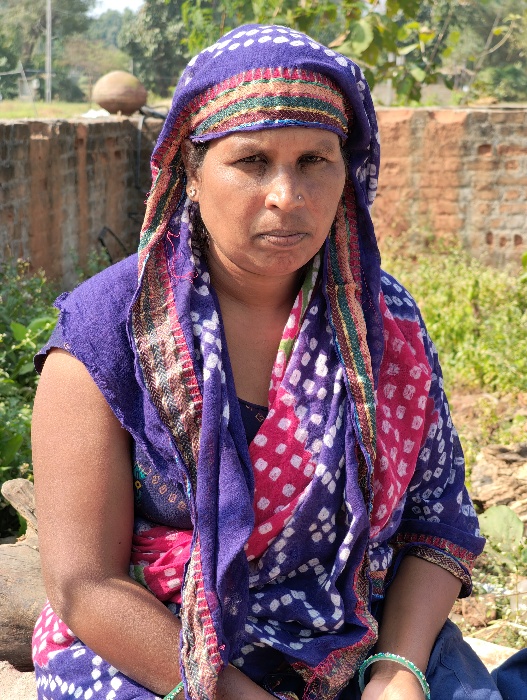
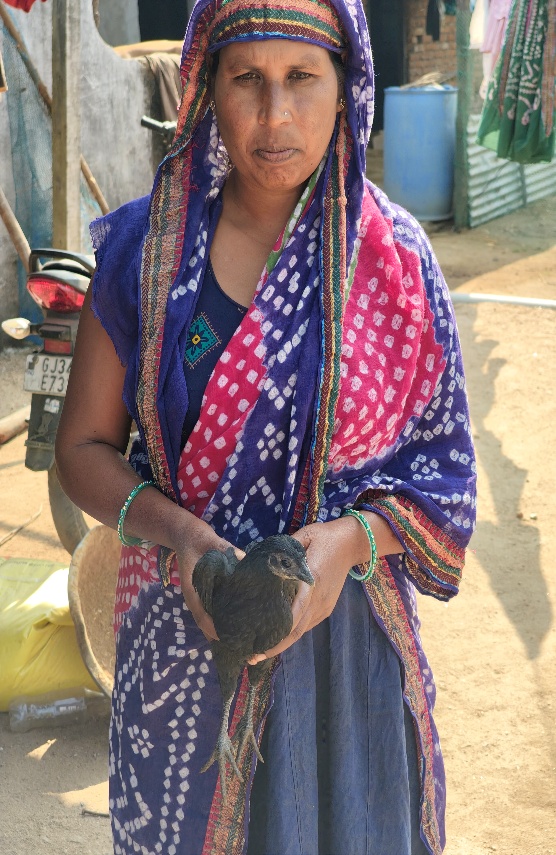
Nitaben Rameshbhai Rathwa
Empowering Nutrition, Enriching Livelihoods
Animal Husbandry, Kadanath
Nitaben Rameshbhai Rathwa (40), from Chilliyavant village in Chhotaudepur district, has become an inspiration for many in her village and nearby communities by adopting improved poultry practices. Earlier, she supported her husband in farming and managed a small backyard poultry activity with 4–5 indigenous chickens, mainly for household consumption.
Her journey changed when the SFT (Shroffs Foundation Trust) Animal Husbandry team introduced Kadaknath, a highly nutritious poultry breed native to the Dhar and Jhabua districts of Madhya Pradesh. Initially, Nitaben was hesitant because the chicks looked very different from the birds she was familiar with. However, after learning about the breed’s high nutritional value and income potential, she decided to try it.
“I was sceptical at first because the chicks were completely black and different from our usual chickens. But the SFT team explained that they are highly nutritious and beneficial for health, so I agreed to try,” she recalls.
With SFT’s support, Nitaben received 25 one-month-old Kadaknath chicks, 25 kg of chick feed, an incubator box, a drinker, and a feeder, against a contribution of ₹800. She also received guidance on improved poultry management. Following this advice, she constructed a proper shed, installed a lamp to maintain warmth, and adopted better hygiene and feeding practices.
Over time, her family also began consuming Kadaknath eggs and meat, improving their dietary intake. Economically, the initiative proved beneficial—Nitaben earned around ₹35,000 from selling birds and about ₹9,000 from eggs, generating nearly ₹44,000 in a year. Despite challenges such as electricity disruptions affecting the hatchery, she adapted by using indigenous hens for natural hatching.
Today, Nitaben’s success is motivating other villagers to adopt improved poultry practices, demonstrating how small livestock interventions can strengthen rural livelihoods while improving household nutrition.